
Exploring how cultural differences shape casino experiences worldwide
Understanding Cultural Influences on Gambling
Gambling has deep-rooted cultural significance in various societies, influencing how individuals engage with casinos. In countries like Japan, pachinko parlors blend entertainment with gambling, reflecting a unique cultural pastime rather than conventional casino games. Meanwhile, in places like Las Vegas, gambling is often seen as a form of leisure and escape, integrated into a broader entertainment experience that includes shows, dining, and nightlife. These cultural nuances shape not only the types of games played but also the atmosphere of the gambling environment. For instance, navigating online platforms such as Casoola showcases how these environments adjust to local customs and preferences.

Additionally, different regions adopt varied regulations and ethical norms around gambling. In some Middle Eastern countries, where Islam dictates cultural practices, gambling is prohibited, creating a stark contrast with countries like Australia, where it is widely accepted. This disparity influences the design and operational philosophy of casinos globally. Operators must navigate these cultural landscapes, often adjusting their offerings to cater to local sensibilities, ensuring they respect traditions while still providing enjoyable experiences.
The psychological factors shaped by cultural backgrounds also impact how people perceive risk and reward in gambling. In collectivist cultures, group dynamics may affect individual gambling behavior, where community influences may deter risky betting or encourage more conservative strategies. Conversely, in more individualistic societies, personal achievement and risk-taking can be more pronounced. Understanding these dimensions is crucial for casino operators aiming to connect authentically with diverse clientele, tailoring experiences that resonate deeply with local customs and expectations.
Casino Design and Architecture Reflecting Cultural Aesthetics
The architectural design of casinos often mirrors the cultural influences of their locations. In Macau, for instance, the blend of Portuguese colonial and Chinese architectural styles offers a unique visual representation of its history and cultural heritage. Such design choices create a sense of place that resonates with both locals and tourists, enhancing the overall gambling experience. Every element, from the façade to interior decor, serves to engage visitors, reflecting the rich narratives of the locale.
In contrast, casinos in the United States often embrace a more flamboyant and extravagant style. Las Vegas resorts are renowned for their opulence, featuring elaborate themes that transport visitors to different worlds, such as ancient Rome or Venice. This approach caters to a cultural penchant for spectacle and extravagance, making the casino itself a central part of the entertainment experience. This distinct style of design often signifies a celebration of individuality and personal expression, critical to the American ethos.
Moreover, cultural elements extend beyond mere aesthetics to include functionality. In some cultures, communal spaces are emphasized, allowing for social interaction among players, which is prevalent in many Asian casinos. Such arrangements foster a sense of community and shared experience, differing from the more individual-focused setups typical in Western casinos. By aligning physical design with cultural values, casinos can enhance player satisfaction and engagement, creating environments that feel both welcoming and familiar to their patrons.
The Role of Hospitality in Casino Experiences
Cultural norms dictate the level and style of hospitality experienced in casinos across the globe. In places like Singapore, hospitality is infused with an emphasis on service excellence, reflecting broader societal values of respect and care. Casino staff are often trained to provide personalized experiences, understanding that the quality of service can significantly enhance a patron’s overall gambling experience. Such cultural expectations set high standards for interactions, leading to loyal customer bases.
Conversely, in Western casinos, while service is also essential, there tends to be a more relaxed approach. Here, customers may prefer a less formal interaction, seeking a fun and casual atmosphere. This difference highlights how cultural backgrounds shape not just service expectations but also how patrons choose to engage with staff. Understanding these nuances allows casino operators to create training programs that better align their staff with local customs, enhancing the overall service experience.
Additionally, hospitality extends beyond just service interactions. Many cultures value complimentary offerings as part of the gaming experience, with free drinks and snacks being standard in the U.S. casinos. In contrast, Japanese pachinko parlors may provide unique rewards in the form of merchandise or prizes that reflect local customs. Tailoring these hospitality offerings to match cultural expectations can play a critical role in attracting and retaining players, ensuring a memorable experience that resonates culturally with visitors.
The Evolution of Gambling Games Across Cultures
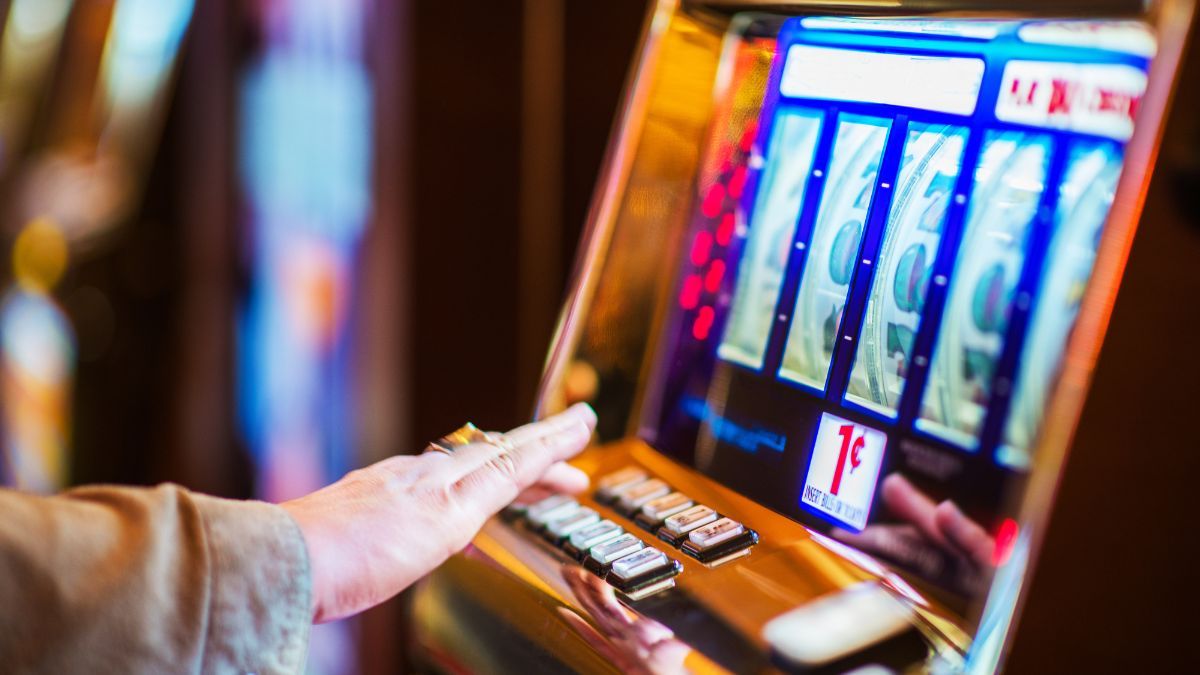
Cultural differences profoundly influence the types of games offered in casinos around the world. Traditional games like Mah Jong and Sic Bo have roots in Asian cultures and are often featured prominently in casinos across those regions. These games not only entertain but also reflect a rich history of social interaction and community bonding. On the other hand, Western casinos typically focus on games like poker, blackjack, and slot machines, which resonate with their entertainment culture and individualistic approach to gaming.
Moreover, the emergence of online casinos is reshaping how cultural influences manifest in gaming. Players from diverse backgrounds can access a broad spectrum of games that might not be physically available in their regions. This access encourages a blending of gaming styles, as players adapt traditional games to new formats. For instance, online platforms may incorporate regional themes into their game design, providing a culturally tailored experience that attracts global audiences.
As cultural globalization continues to influence the gaming industry, hybrid games that incorporate elements from multiple cultures are becoming more common. This evolution reflects a growing acceptance of diversity in gambling, where players from various backgrounds enjoy a blend of traditional and modern gaming experiences. As a result, casinos must remain adaptive and open to integrating new games that resonate with diverse cultural identities, enhancing their appeal in a competitive market.
Ensuring Secure and Fair Casino Experiences Worldwide
The online gambling space is increasingly vital in ensuring secure and fair experiences for players globally. Security measures, often dictated by cultural attitudes towards privacy and trust, significantly influence how players interact with online casinos. In regions where data protection is paramount, casinos must invest heavily in cybersecurity and user privacy protocols to build trust with their clientele. This cultural emphasis on security translates into a vital aspect of the online gambling experience.
Moreover, fair play is a universal expectation among players, but cultural perceptions of fairness can vary. For instance, some cultures may prioritize transparency in operations, leading to more significant regulatory demands on casinos. Understanding these differences allows operators to tailor their compliance strategies, ensuring they meet local expectations and foster trust among players.
Ultimately, as the gambling landscape evolves, the interplay between cultural values and technology will continue to shape experiences. Casinos that embrace these cultural differences and implement robust security measures will not only attract a broader audience but also enhance player loyalty and satisfaction. As we navigate these complexities, the focus on creating secure and culturally resonant gaming environments will be key to the industry’s success.

